🏡 June 2026 Market Update 📊
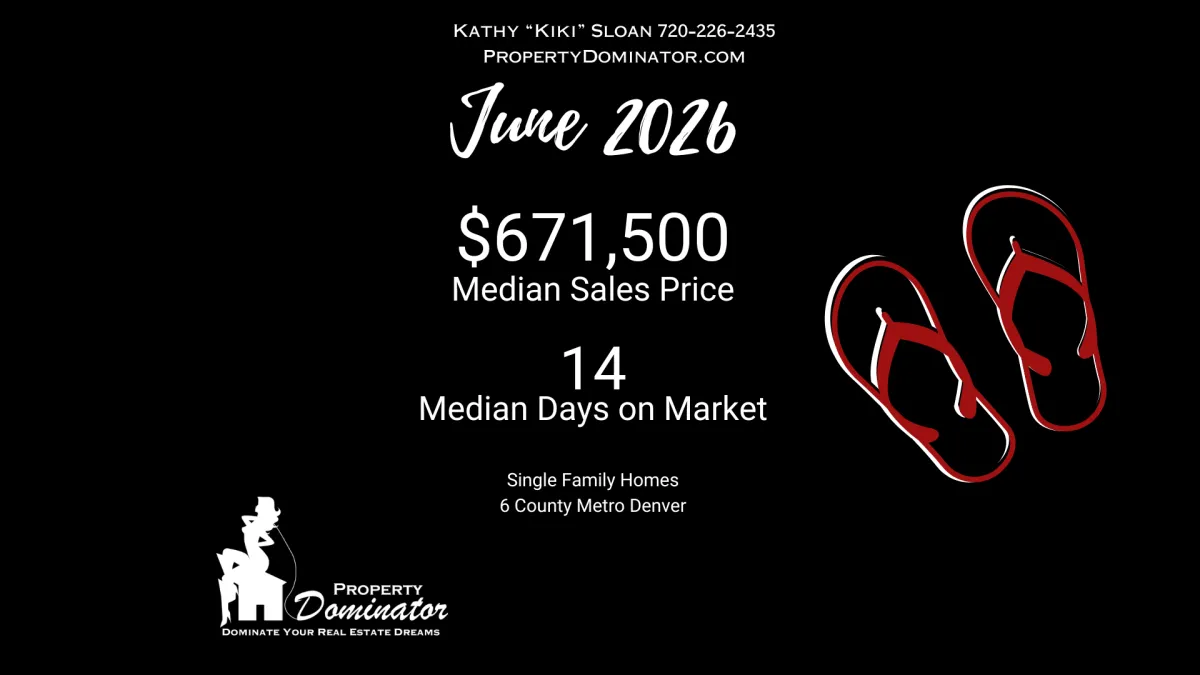
Prices: The median sales price in June 2026 came in at $671,500, up slightly from $670,000 in May. While the month-over-month increase was modest, it marks the sixth consecutive month of price appreciation, continuing the strong upward trend we've seen since January. Home values have now increased by nearly $59,000 since the beginning of the year, reflecting sustained buyer demand and a continued shortage of desirable, move-in-ready homes.
As the market reaches its seasonal peak, prices remain remarkably resilient, underscoring the strength of buyer confidence and the ongoing imbalance between supply and demand. Unless inventory expands significantly in the coming months, home values are expected to remain well supported, even as the market transitions into its more typical late-summer and fall patterns.

Days on Market: Median Days on Market increased to 14 days in June, up from 11 days in May. While homes are taking a few days longer to sell than they did during the peak frenzy of the spring market, the market remains exceptionally fast by historical standards. For perspective, homes were taking 49 days to sell as recently as January, highlighting just how quickly buyer demand has accelerated throughout the year.
This modest increase suggests the market is beginning to normalize after an unusually competitive spring, giving buyers a bit more time to make informed decisions without significantly slowing overall activity. Sellers, however, continue to benefit from strong demand.

Well-prepared, professionally marketed, and accurately priced homes are still attracting substantial buyer interest and are typically going under contract within two weeks, demonstrating that desirable properties continue to move quickly despite the slight seasonal shift.
Year Over Year Comparison
June prices have now exceeded both June 2025 ($659,950) and June 2024 ($658,000), demonstrating continued strength in the Denver metro single-family market. Despite higher mortgage rates and ongoing affordability concerns, home values have continued to trend upward, highlighting the resilience of the local housing market.
Buyer demand remains healthy, particularly for well-maintained, move-in-ready homes in desirable neighborhoods. While some buyers are taking more time to evaluate their options than they did during the peak spring market, they are still willing to compete for quality properties when they become available. At the same time, inventory remains below levels needed to fully satisfy demand, continuing to place upward pressure on prices.
These steady year-over-year gains reinforce the long-term stability of the Denver metro housing market and underscore that well-positioned homes continue to be strong long-term investments. Although the pace of appreciation has moderated compared to the rapid gains seen in previous years, the market continues to demonstrate healthy, sustainable price growth supported by solid underlying demand.
Month Over Month Comparison

From April through June 2026, the Denver metro single-family housing market remained exceptionally strong. Median sales prices climbed from $659,900 in April to $670,000 in May and reached $671,500 in June, showing continued appreciation even as the market approached its seasonal peak. During the same period, median days on market remained remarkably low, increasing only slightly from 10 days in April to 11 days in May and 14 days in June.
While homes are taking a few more days to sell than they did at the height of the spring frenzy, properties are still selling far faster than historical norms. This combination of rising home values and quick sales demonstrates that buyer demand remains healthy, inventory is still relatively tight, and sellers who properly prepare and price their homes continue to enjoy a strong advantage in the Denver market.
When Should I Buy??
The best answer, especially if you don't already own real estate, is that you should buy what you can afford as soon as you are preapproved for a mortgage. This first step into real estate is often NOT to buy your dream home. Rather, you are entering the market so you can leverage it to buy your dream home in another few years.
Your starter home acts as a savings account towards your dream home in 2 ways: the equity you build by paying down the loan balance and the the equity you build through the home's appreciation in value. Your equity and regular savings will get you into your dream home much faster than savings alone.
In the graph below, you can see how people in the US who don't own real estate don't have any net worth to speak of, while those who own a home typically have about $200-400k in net worth.