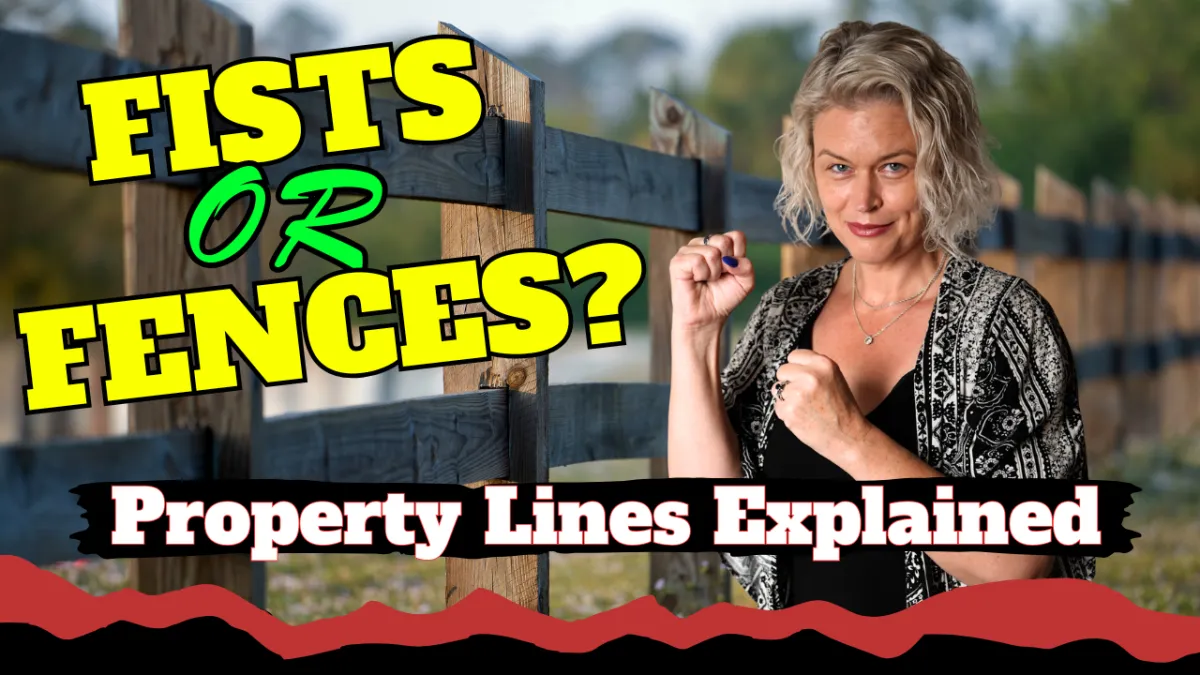
Easements, Fences & Neighbor Wars in Colorado Real Estate 🏡🚧
Unlocking Property Boundaries: How Simple Neighbor Disagreements Turn into Costly Legal Battles
Few situations around the home escalate faster than a property dispute. One day you’re sharing tools or chatting over the yard, and the next, you’re staring down a heated argument over a six-inch strip of dirt along the fence line.
What starts as a casual question about a fence, a shared driveway, or a misplaced shed can quickly turn into an expensive, stressful legal head-scratcher.
In a recent sit-down, Kiki the Property Dominator joined real estate legal expert Kyle England of Spaeth & Doyle to break down why neighborly relationships go sour—and how understanding your property rights under Colorado real estate law can keep you out of court.
The Root Causes of Neighbor Property Disputes
When property disputes flare up, they rarely start with bad intentions. More often, they stem from decades of assumptions, outdated handshakes, or missing paperwork. Here are the core areas where homeowners run into trouble:
1. Where Property Lines Actually Sit
Assuming your property line aligns with where the grass is mowed or where a fence stands is one of the most common mistakes in real estate. Over time, fences get built off-line, retaining walls shift, and landscaping creeps into neighboring land. Without a formal boundary survey, what you think you own may not match what’s recorded on your deed.
2. Demystifying Easements
An easement gives another party a legal right to use a portion of your land for a specific purpose—such as utility access, drainage, or driveway entry.
The Conflict: Homeowners often forget an easement exists, build structures over it, or attempt to block access.
The Law: Knowing whether an easement exists on your title commitment is vital. Blocking a legal easement can land you in court very quickly.
3. Fences: Who Pays and Who Decides?
Fences are infamous for triggering disputes. Questions surrounding cost-sharing, placement, and maintenance lead to ongoing friction:
Who is legally responsible for building or replacing a boundary fence?
What happens if a neighbor puts up a fence inside your boundary without asking?
Under Colorado law, fence rules can vary depending on local municipal codes, subdivision covenants, and historical usage.
4. Shared Driveways and Access Battles
Shared driveways seem convenient until maintenance needs arise or access gets blocked.
Who pays for snow removal or repaving?
What happens when a neighbor park cars in a shared turn-around area?
Without a clear, recorded Shared Driveway Maintenance Agreement, simple daily logistics can spark formal legal claims.
What to Do When a Neighbor Crosses the Line
If a neighbor builds a shed on your lot, plants trees across the property boundary, or consistently uses your driveway without permission, doing nothing can be dangerous. Under legal doctrines like adverse possession or prescriptive easements, prolonged unpermitted use can sometimes result in losing rights to your own land.
Here is how legal experts recommend handling encroachments:
Verify Before You Act: Obtain an official Improvement Location Certificate (ILC) or a professional boundary survey. Never rely on GIS map overlays, which can be off by several feet.
Review Deed & Title Documents: Check recorded covenants, historical easements, and past agreements tied to the property.
Communicate Early & In Writing: Have a polite, direct conversation backed by your survey. Follow up verbally agreed terms with written documentation.
Draft Formal Revocable Written Agreements: If you don't mind a neighbor temporarily using a piece of land, grant formal written permission (a revocable license) so their use cannot be claimed as adverse possession later.
Avoid Common Mistakes Before Purchasing or Selling
Determining who is right and who is wrong isn't always straightforward. Historical agreements made decades ago by prior owners, title exceptions, and state laws all weigh heavily in property disputes.
Whether you’re buying a home, preparing to list, or currently navigating a disagreement with the house next door, getting ahead of boundary issues saves immense time, money, and emotional frustration.
Ready to Protect Your Real Estate Investment?
Navigating property boundaries, contracts, and legal disclosures takes local market expertise. Don't leave your largest asset to guesswork.
📲 Call or Text Kiki the Property Dominator: 720-226-2435