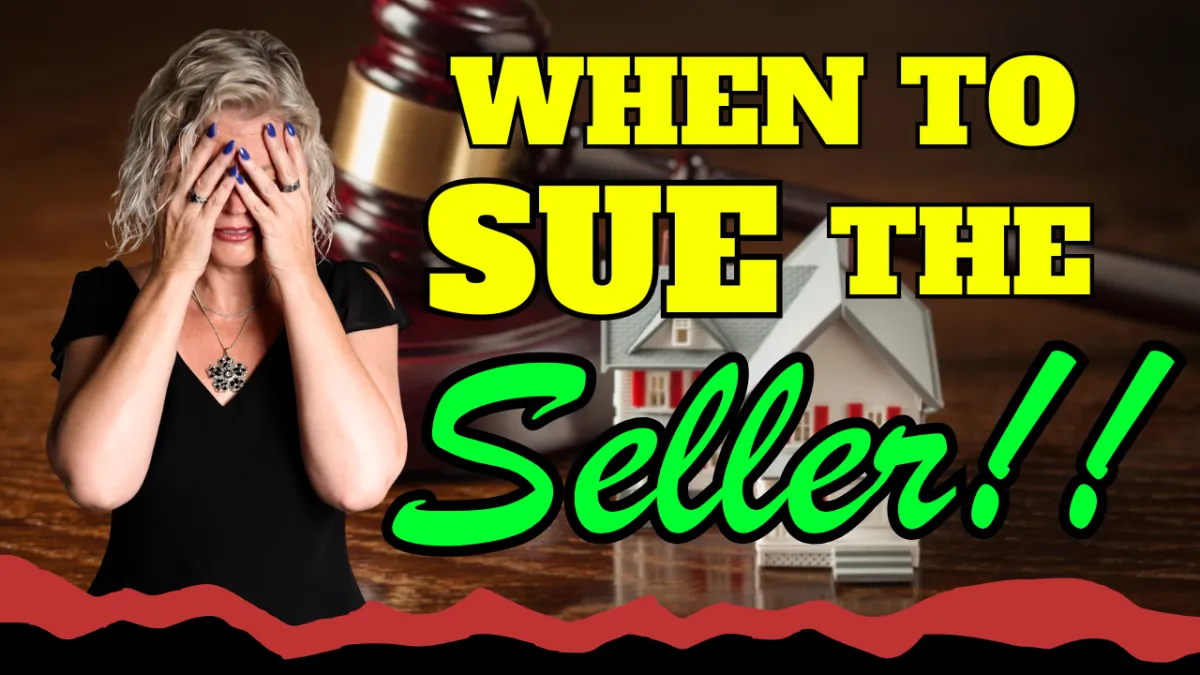
Colorado Homebuyers: What Happens If the Seller Hid Problems?
Can You Sue a Seller After Closing on a Home in Colorado?
Closing day is meant to be a celebration. But what happens when you move in, rip up an old rug, or turn on the shower for the first time—only to discover major, hidden water damage or mold behind the dry wall?
When a dream home turns into a nightmare, buyers immediately ask: Can I sue the previous owner?
In a revealing episode, Kiki the Property Dominator sat down with Kyle England, real estate attorney at Spaeth & Doyle LLP, to dismantle the myths around post-closing home lawsuits and lay out what actually happens when hidden defects surface under Colorado real estate law.
1. What Does Selling "As-Is" Really Mean in Colorado?
One of the biggest misconceptions in real estate is that selling a home "as-is" shields the seller from all future legal liability.
The Reality: Selling "as-is" simply means the seller will not make or pay for repairs before closing.
The Legal Catch: It does not give a seller permission to conceal known issues. Under Colorado law, sellers are legally obligated to disclose adverse material facts—known physical, structural, or environmental hazards that directly impact the property's value or safety.
If a seller intentionally hides a serious issue (like covering up active toxic mold or foundation damage), an "as-is" clause will not protect them from a lawsuit based on fraud or misrepresentation.
2. Proving Knowledge: The Toughest Burden in Court
It isn't enough to show that a defect exists after you move in—you must prove the seller actually knew about the problem and concealed or failed to disclose it.
Patent Defects vs. Latent Defects: Obvious issues (like visible cracks or water stains) are expected to be spotted during due diligence. Hidden ("latent") defects that cannot be seen on a surface walk-through are where legal battles usually brew.
The "Actual Knowledge" Standard: Colorado sellers are only required to disclose issues they have current actual knowledge of. They aren't held to the standard of a professional home inspector.
Gathering Evidence: Proving knowledge requires hard evidence—such as past contractor invoices, unpaid repair quotes, or previous insurance claims showing the seller knew of the specific problem before selling.
3. The True Cost of Litigation & Expert Witnesses
Taking a real estate dispute to court is rarely as fast or inexpensive as buyers hope.
Expert Witness Fees: Building a case requires hiring specialized experts—structural engineers, hydrologists, or mold remediation contractors—to testify that the damage was pre-existing and intentionally concealed.
Litigation Expenses: Attorney fees, court filing fees, and expert analysis can quickly snowball into tens of thousands of dollars.
Why Direct Communication Comes First: Because litigation costs can outpace the actual repair bill, attorneys almost always recommend attempting direct communication or mediation with the seller first before filing a formal complaint.
4. How Sellers Can Protect Themselves
Sellers don't have to live in fear of post-closing lawsuits if they handle disclosures correctly from day one:
Over-Disclose, Don't Hide: If you aren't sure whether an old repair or issue should go on the Seller's Property Disclosure form, err on the side of over-disclosing.
Review Buyer Inspection Reports: Seeing the buyer's home inspection report gives sellers a clear record of what issues were identified prior to closing.
Keep Complete Maintenance Records: Keep receipts, invoices, and permits for all work done on the property to prove issues were properly remediated.
5. Do Home Warranties Help Reduce Risk?
Home warranties can act as a useful first line of defense for unexpected system breakdowns (like a furnace or water heater failing shortly after closing), but they aren't a cure-all. Warranties typically cover normal wear and tear on functional components rather than structural flaws, pre-existing defects, or damage caused by unaddressed water leaks.
The Bottom Line
While you can sue a seller after closing in Colorado, winning requires proving the seller had actual knowledge of a major hidden defect and deliberately failed to disclose it. Before jumping straight into legal action, gather your inspection records, document the defect thoroughly, and consult a qualified real estate attorney.
Navigating a Post-Closing Property Issue?
Whether you are buying, selling, or dealing with an unexpected disclosure issue, having experienced guidance matters.
📲 Call or Text Kiki the Property Dominator: 720-226-2435